
Artwork From
Betty Press
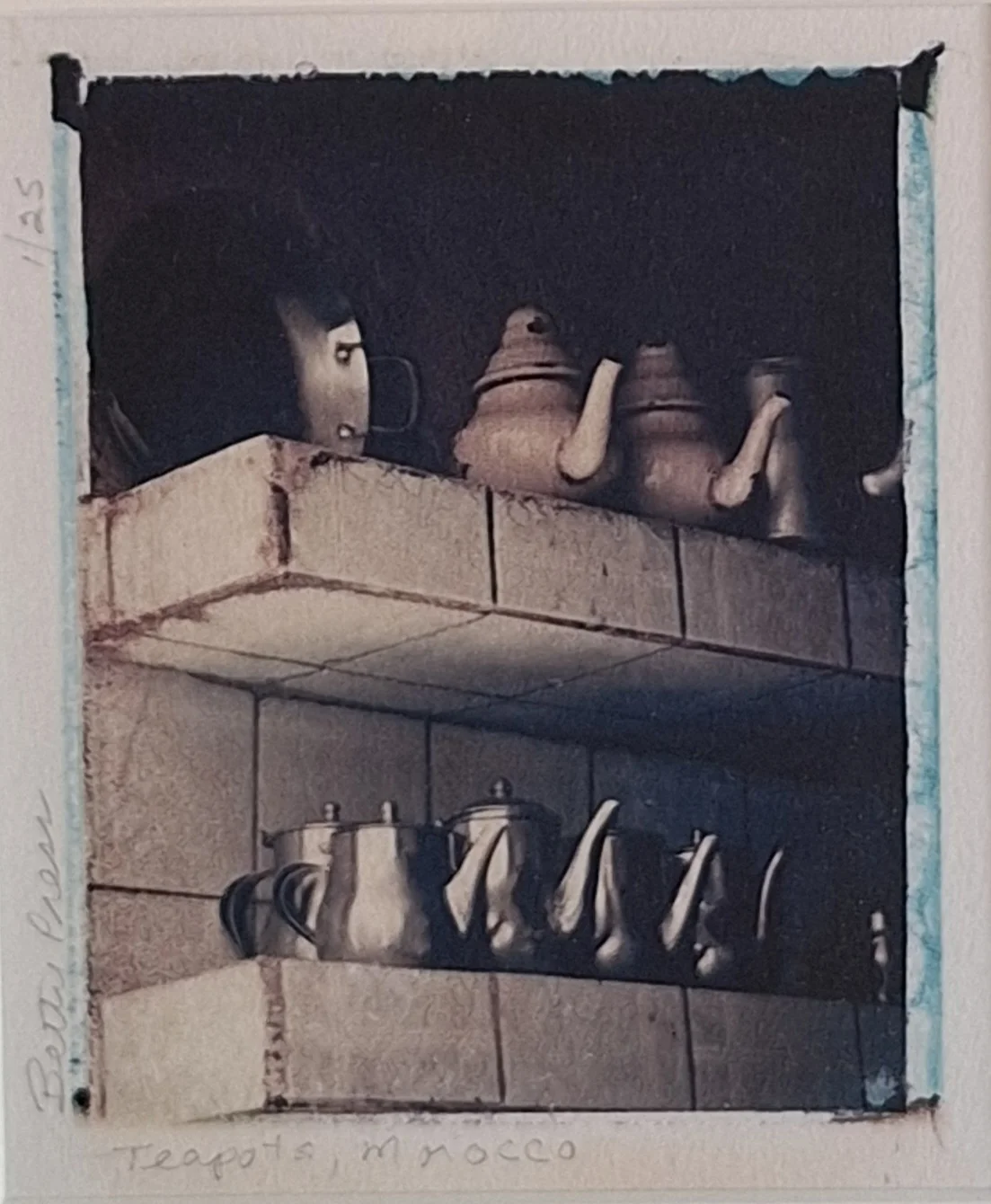
Teapots, Morocco
Betty Press
Photography
$200
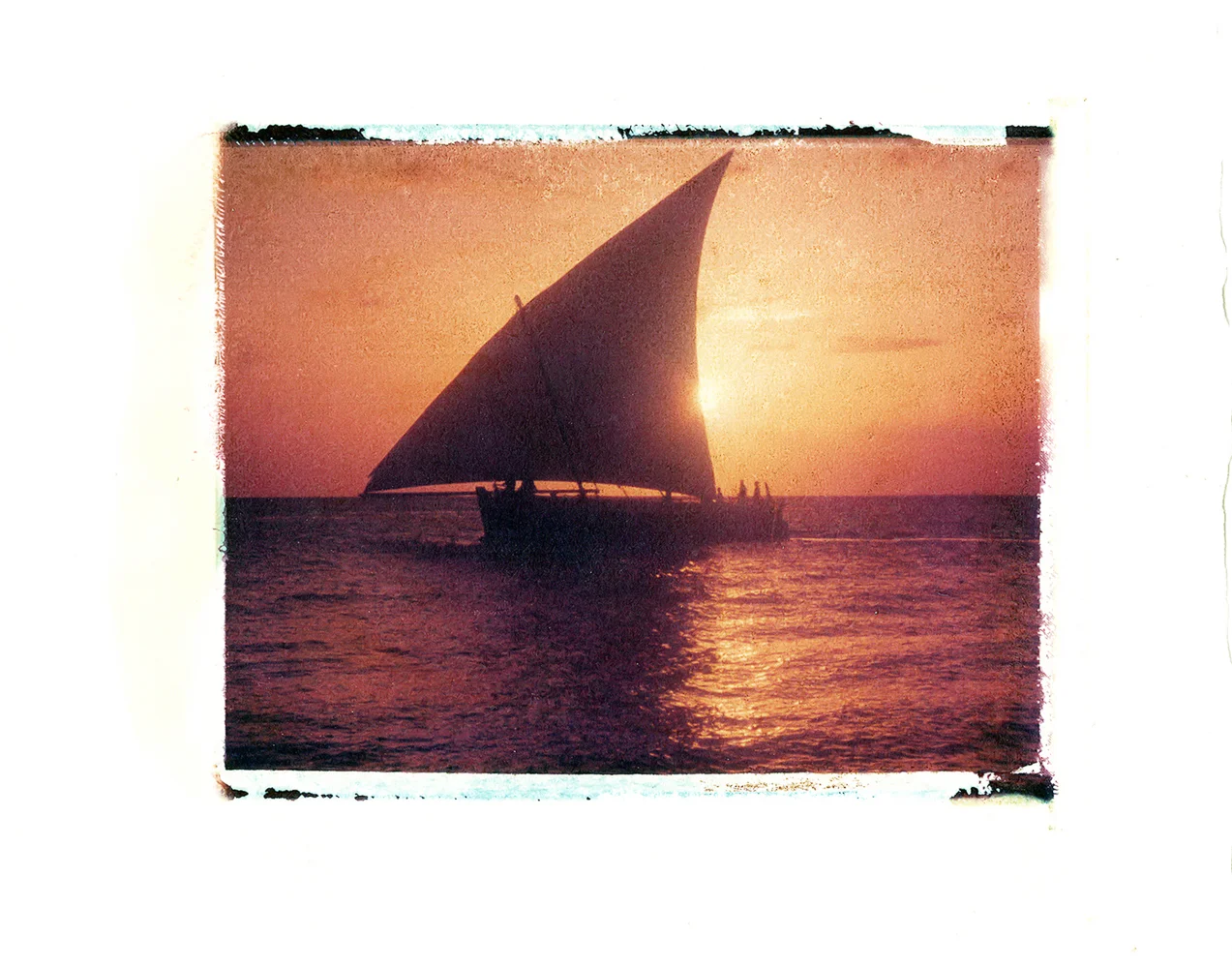
Sunset Zanzibar
Betty Press
Photography
$100
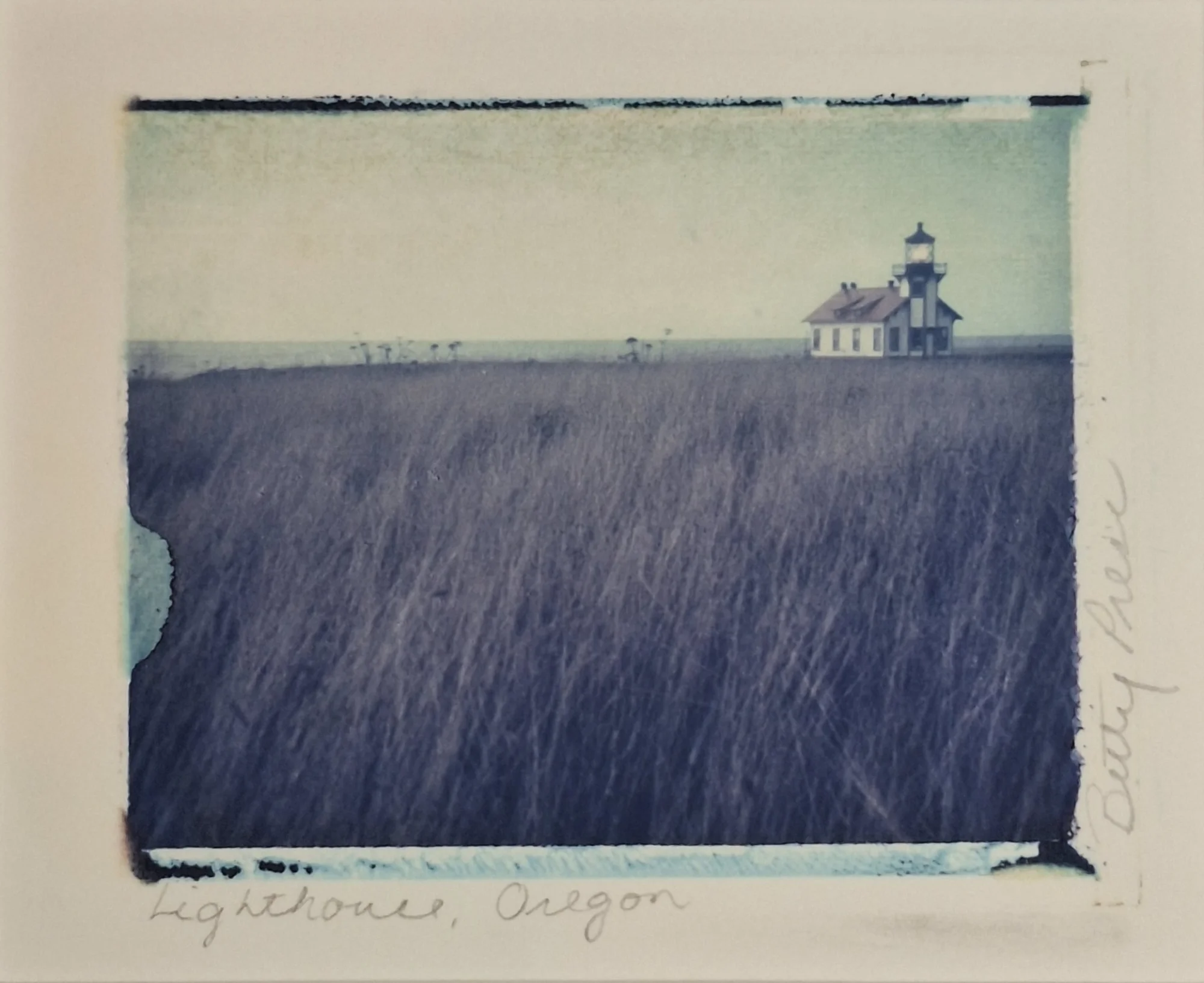
Lighthouse, Oregon
Betty Press
Photography
$100
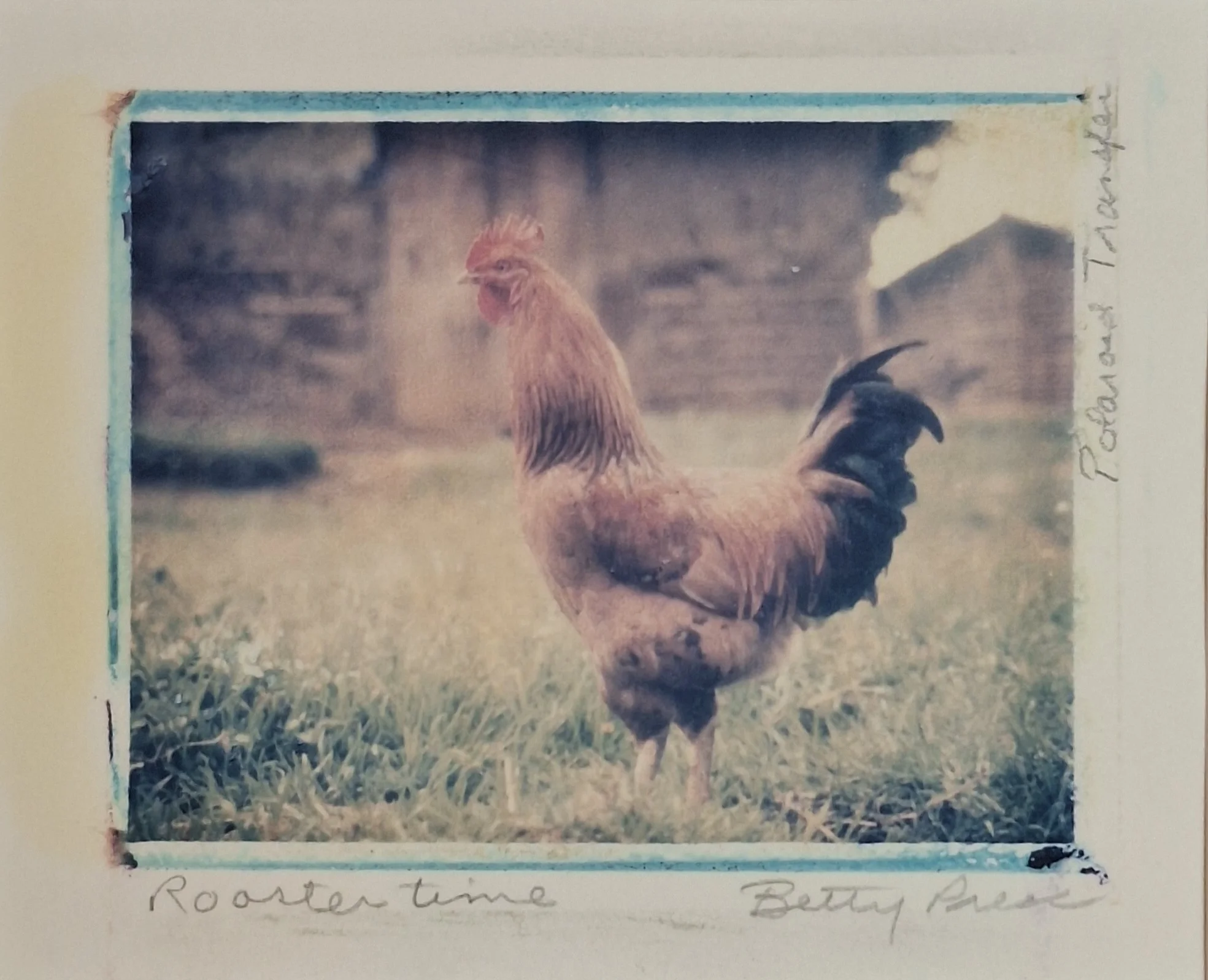
Rooster Time
Betty Press
Photography
$100
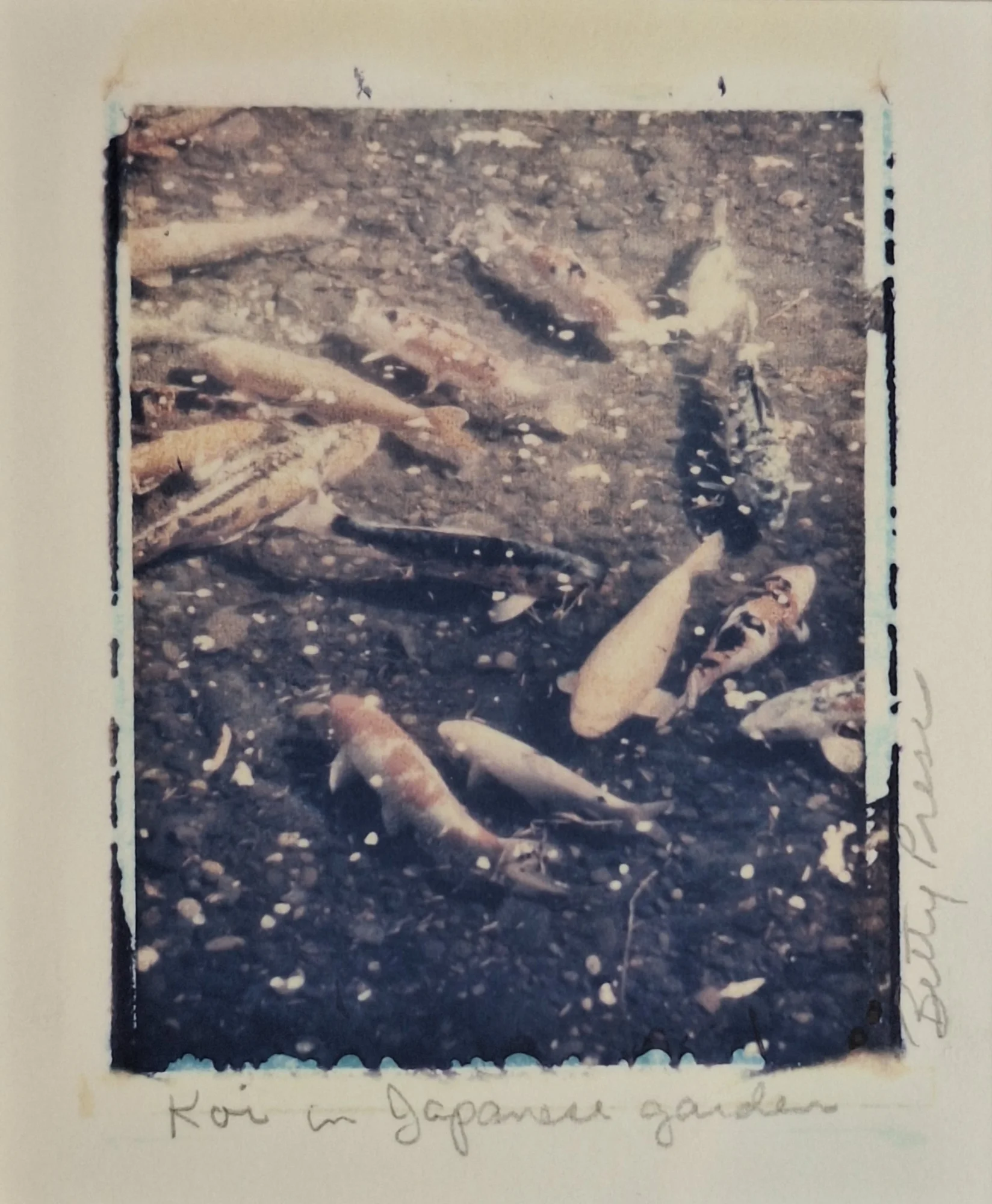
Koi in Japanese Garden
Betty Press
Photography
$100
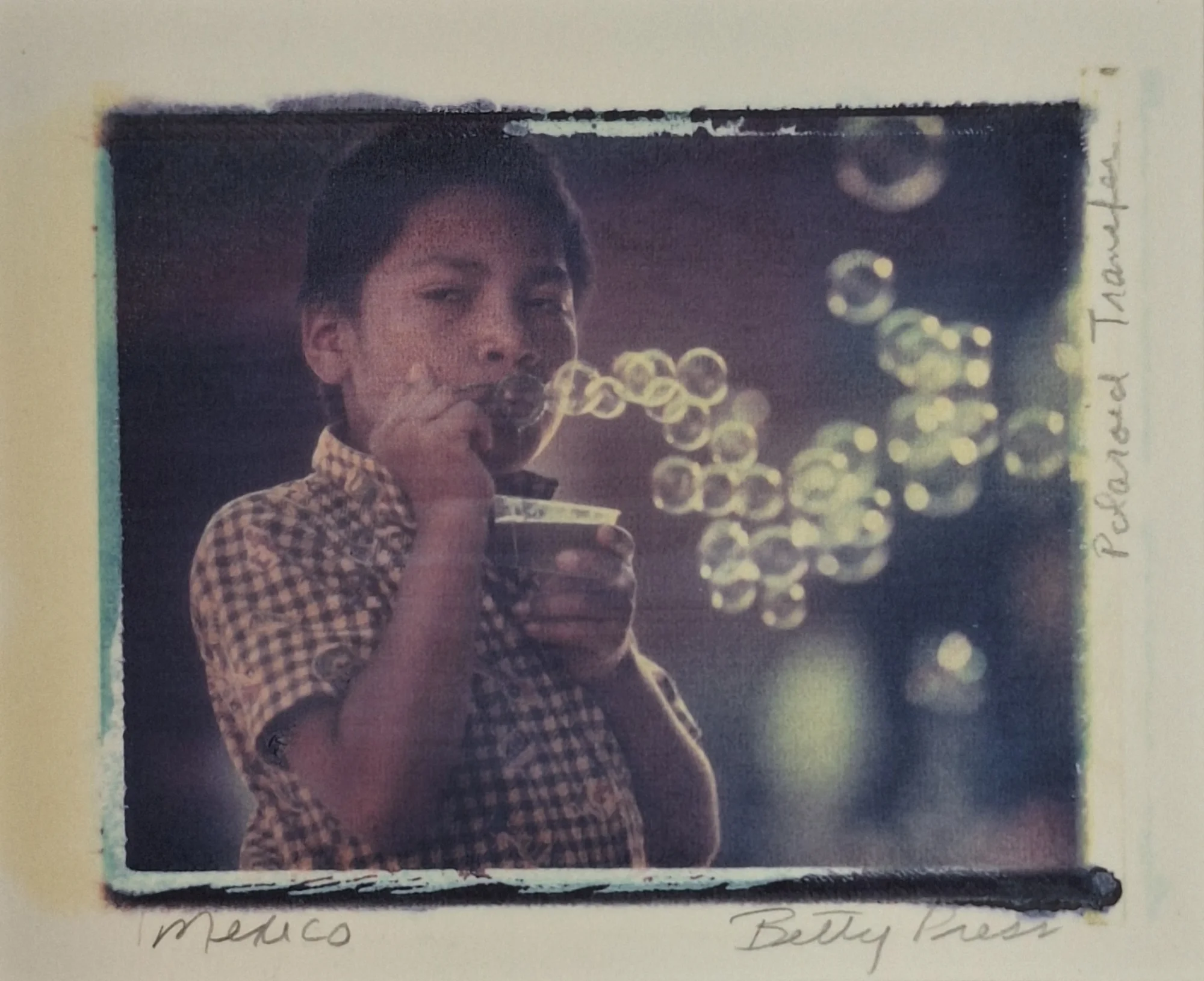
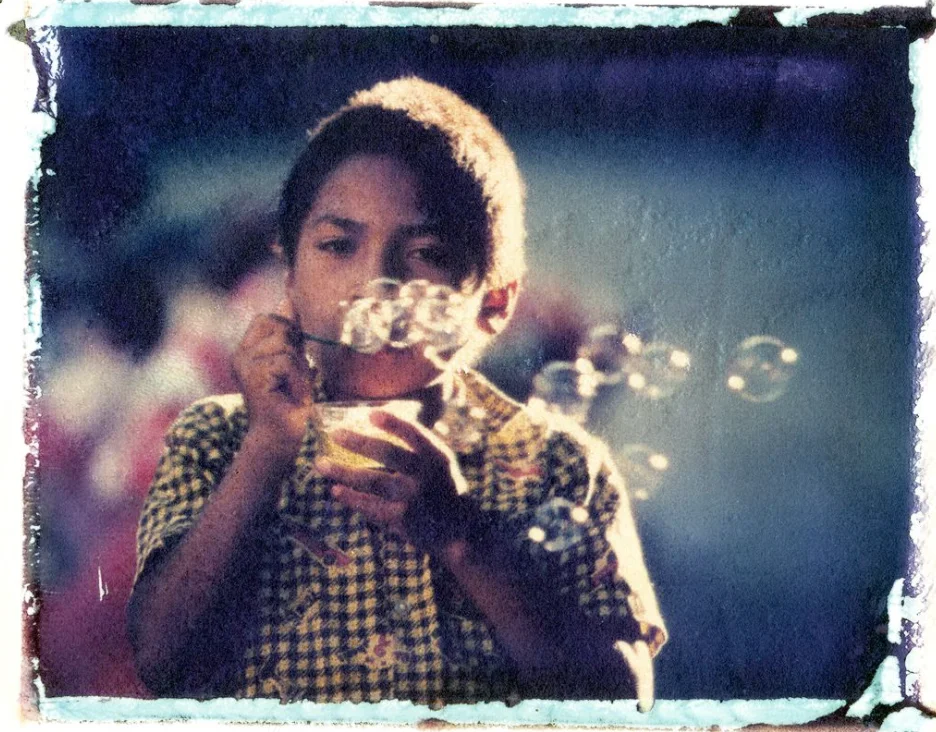
Child in Mexico with Bubbles
Betty Press
Photography
$100
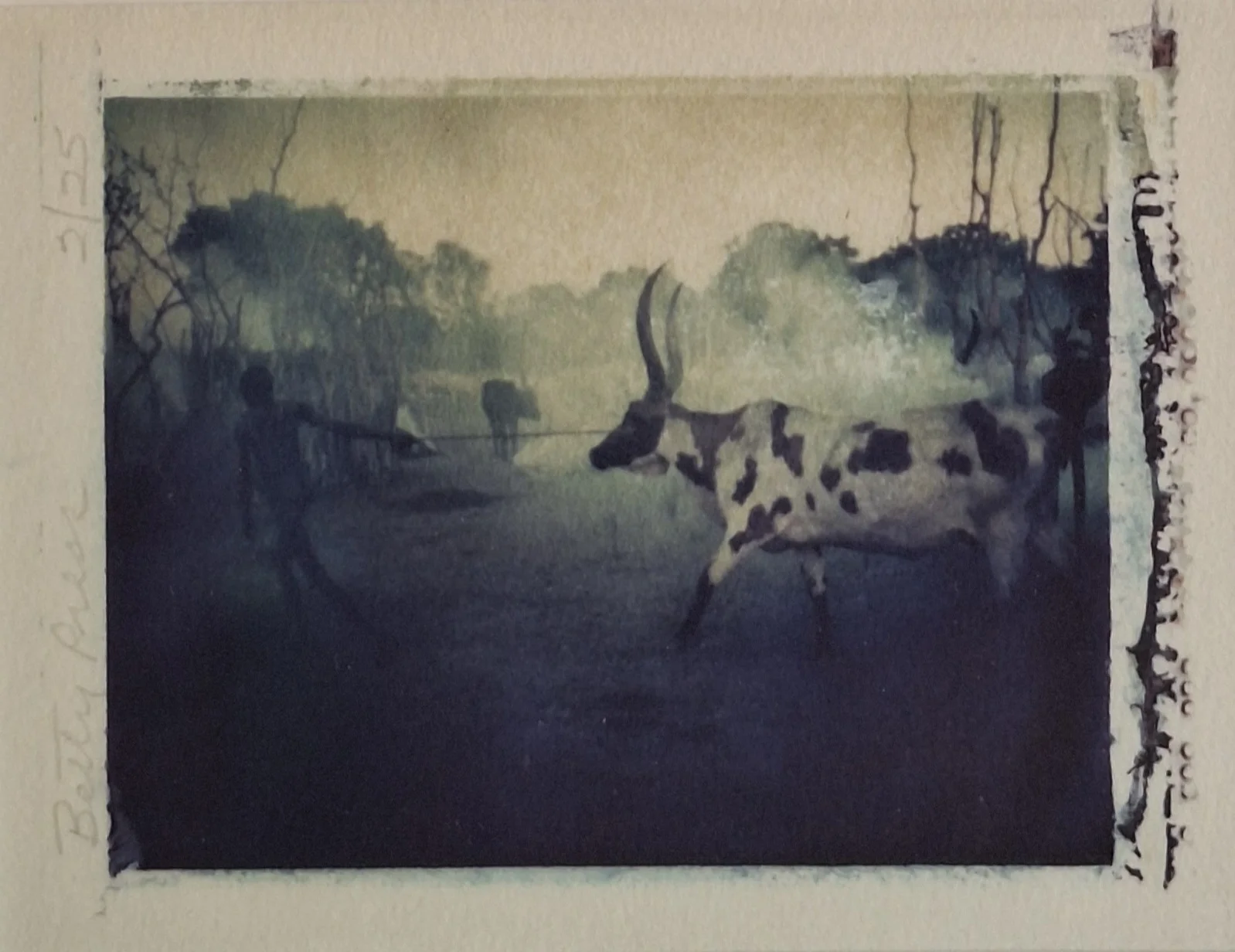
Steer
Betty Press
Photography
Sold
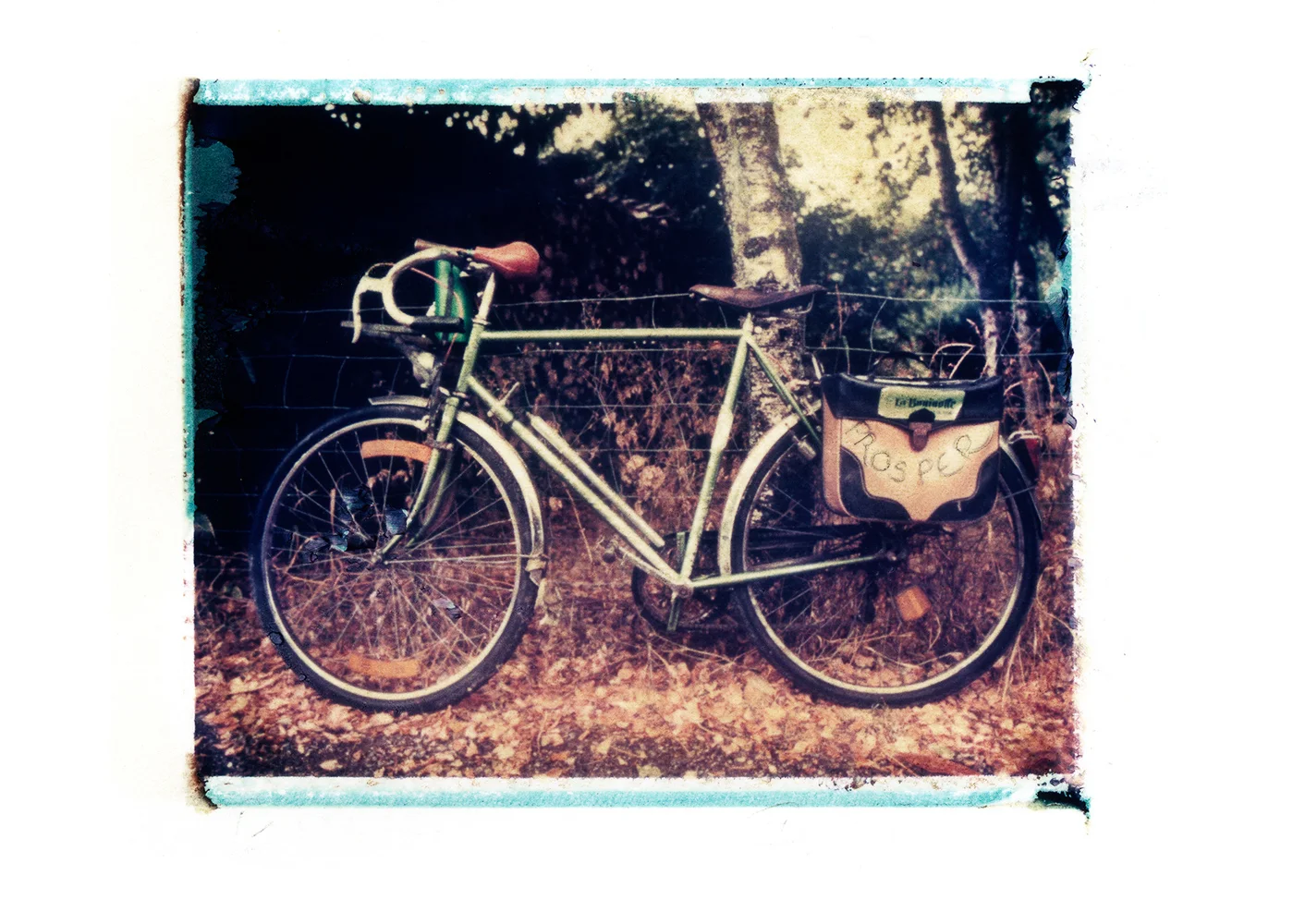
Prosper
Betty Press
Photography
Sold
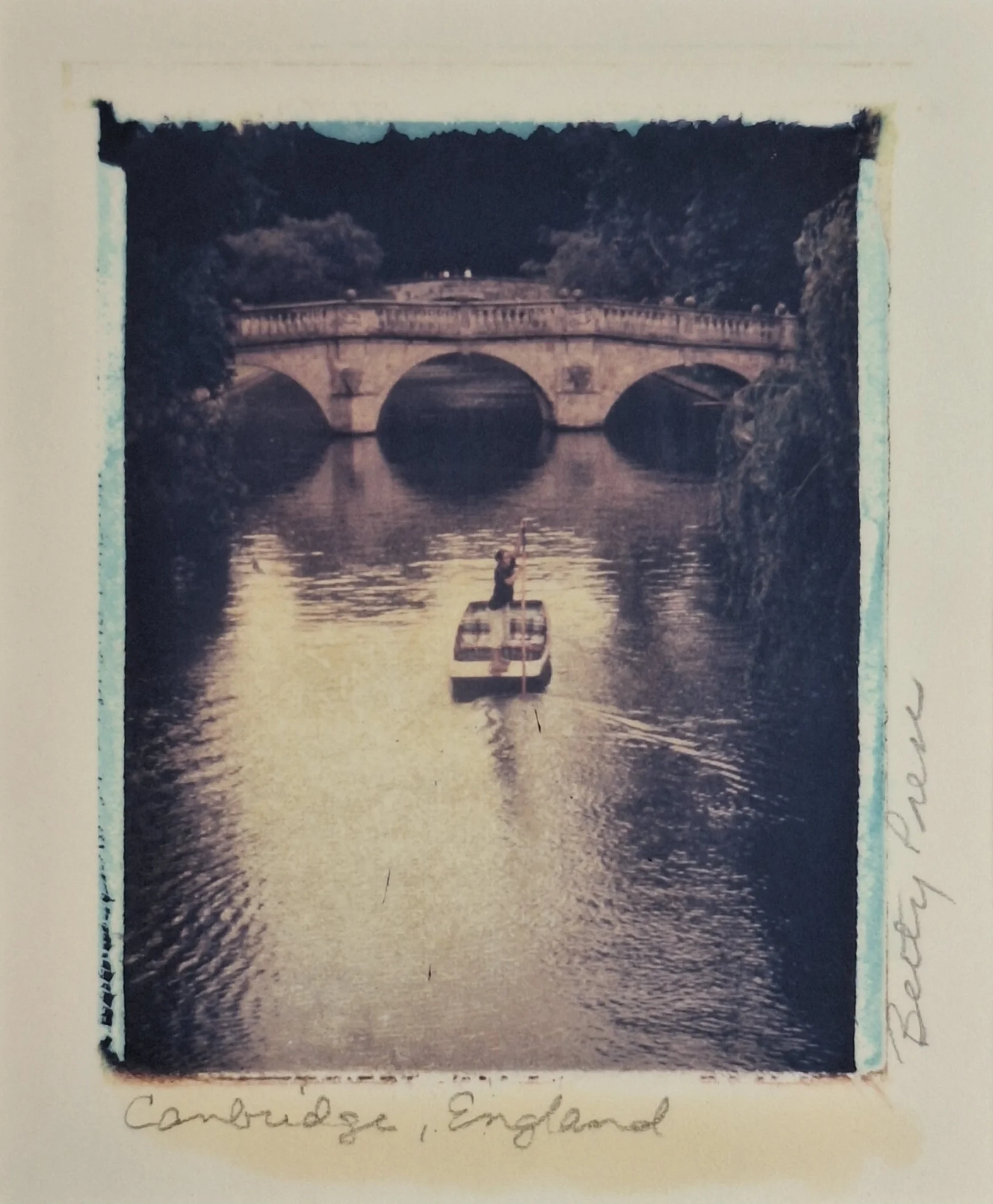
Cambridge, England
Betty Press
Photography
Sold
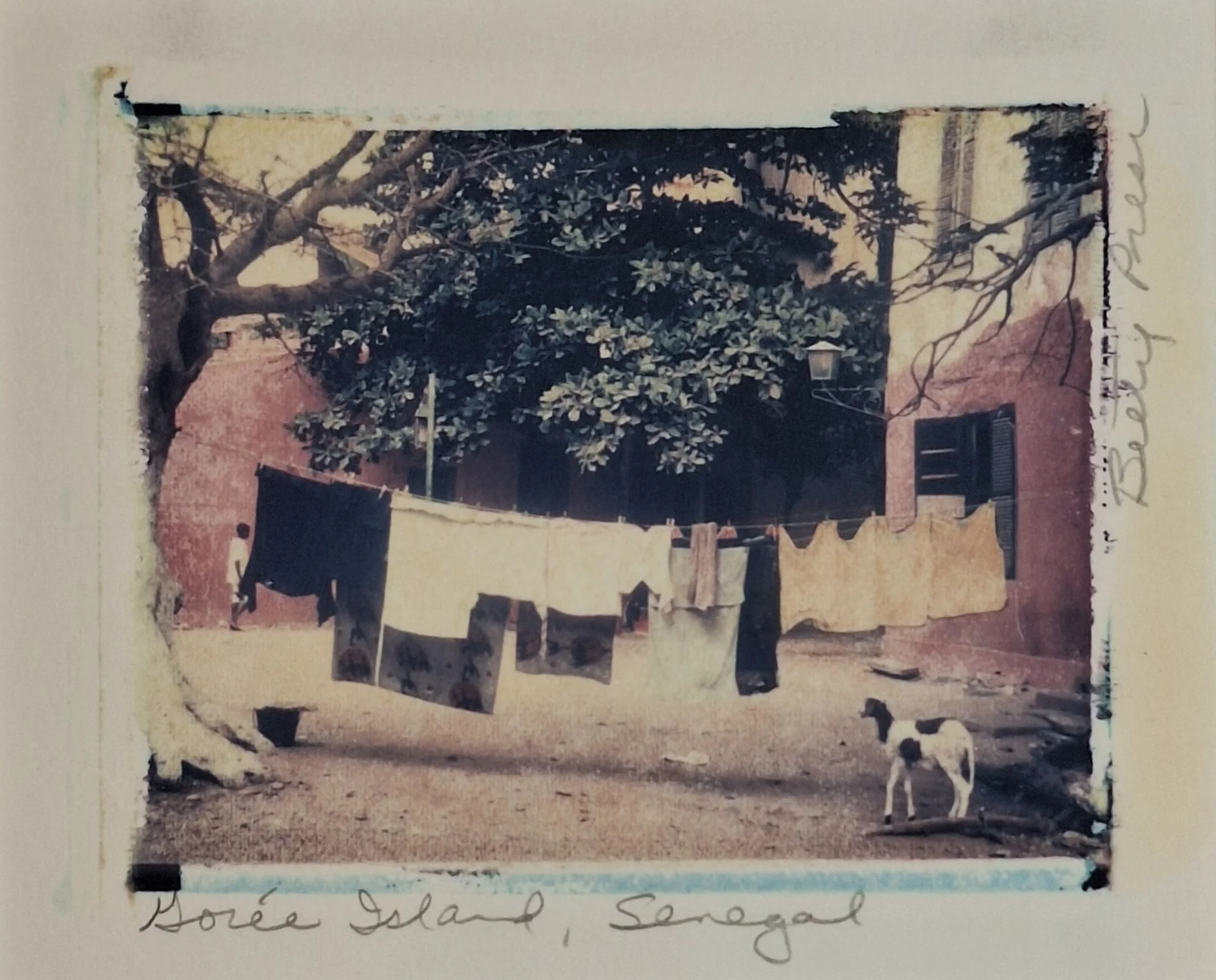
Gorée Island, Senegal
Betty Press
Photography
Sold
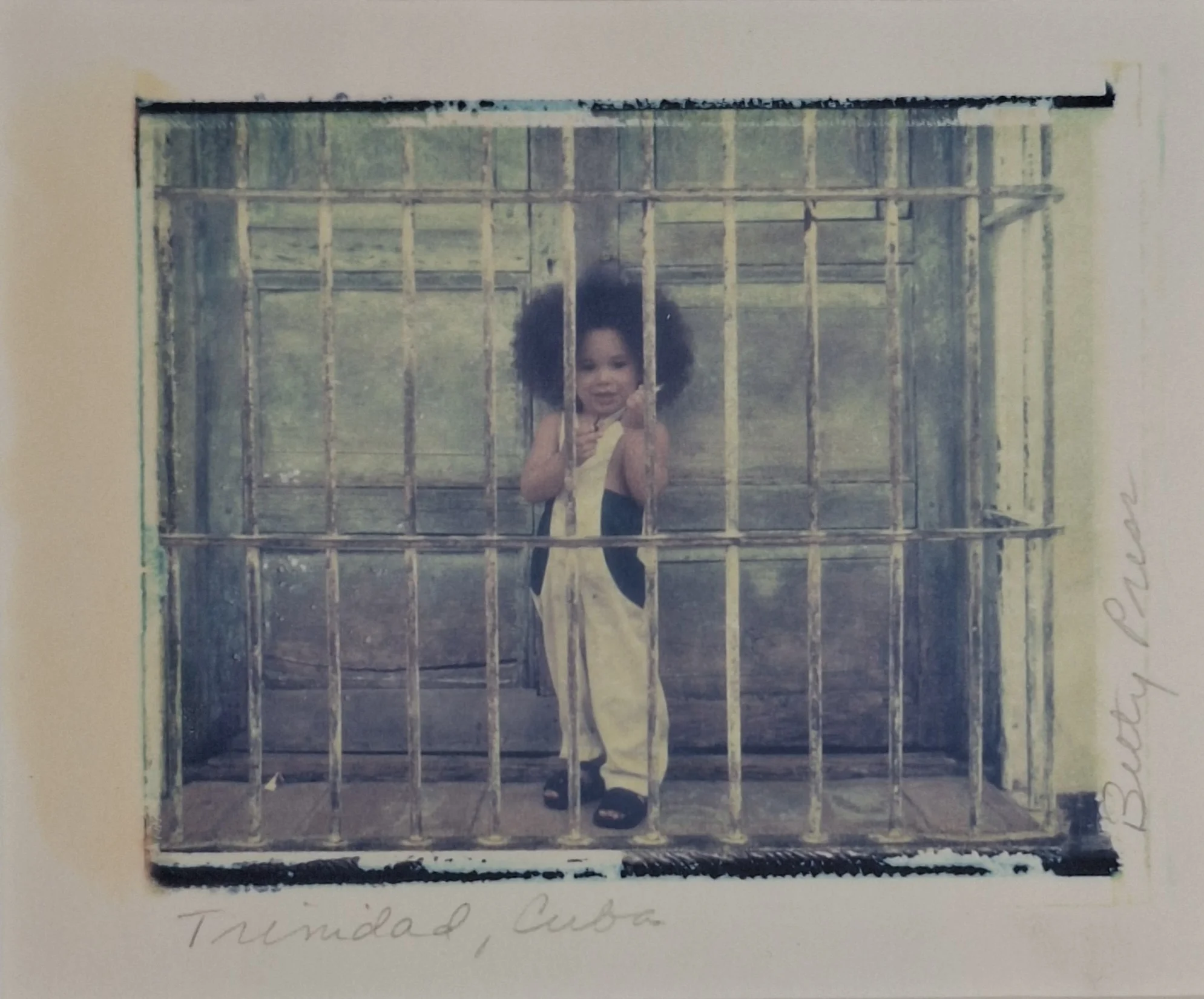
Trinidad, Cuba
Betty Press
Photography
Sold
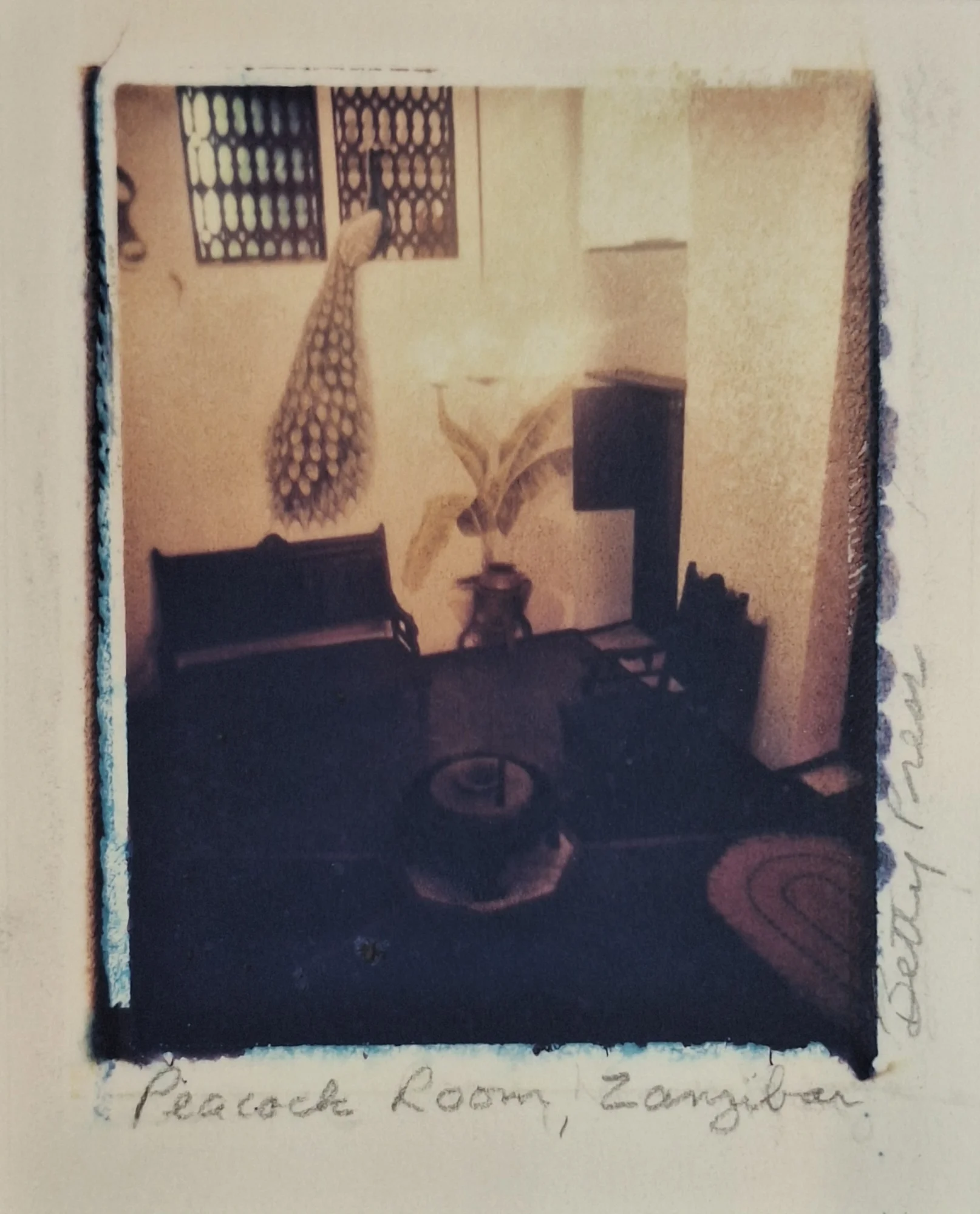
Peacock Room, Zanzibar
Betty Press
Photography
Sold
About Betty Press
Betty Press is a fine art documentary photographer. She is well known for her photographs taken in Africa where she lived and traveled for many years. This work placed in Photolucida Critical Mass Top 50. Now living in Hattiesburg, Mississippi she has a new project “Finding Mississippi” using vintage and toy cameras. In 2011 she published an award winning photobook I Am Because We Are: African Wisdom in Image and Proverb which portrayed a stunning, life-affirming portrait of the African people and culture. In 2012 she received a statewide award in photography, from the Mississippi Institute of Arts & Letters and in 2013 a Mississippi Visual Artist Grant. Her photographs have been widely exhibited, collected as well as selected for many juried competitions. In 2015 her Mississippi photos were added to the collections of the Mississippi Museum of Art and The Do Good Fund (Southern Photography Initiative). She received an award of excellence for her Mississippi photos in the Mississippi Collegiate Art Faculty Juried Exhibition. Lens Culture, Silvershotz magazine, South x Southeast, Lenscratch, ACurator, RfotoFolio, Art Photo Index, John Wall’s Southern Photographer and Women in Photography International (WIPI) have featured her work. Information on Polaroid Transfers by Betty Press Most people have used Polaroid instant cameras. The cameras spits out a photograph after it is taken. You count a certain number of seconds and then you peel it apart throwing away the gunky side, which is really a negative, and keep the picture. With transfers you do just the opposite you keep the negative and place it, gunky side down, on a piece of paper, using a roller to transfer the image to the paper. That, in simple terms, would result in a Polaroid transfer. In my case I work from slides. And instead of a camera I have a special piece of equipment, or enlarger, which is used to expose the slides to Polaroid film. After that, the process is the same. I pull the negative from the picture after about 20 seconds and adhere it to a slightly damp piece of watercolor paper. The image is the size of the film. In my case I use Polaroid 669 film (image size 3X4) because it is less expensive and easily available. Sometimes I use 4X5 film for a slightly larger image and different kind of edges. The images look like small paintings because the colors are muted. The images are the size of the film and have uneven, smudged edges from the contact process. The image can be reproduced but each transfer results in a slightly different image. Polaroid has ceased to make this kind of film and so now I am having the originals scanned and selling archival reproductions in editions of 25. The prints can fade in bright light so it is best to keep the prints out of direct sunlight.